

When the Clinical Trial Comes Home
Original research published
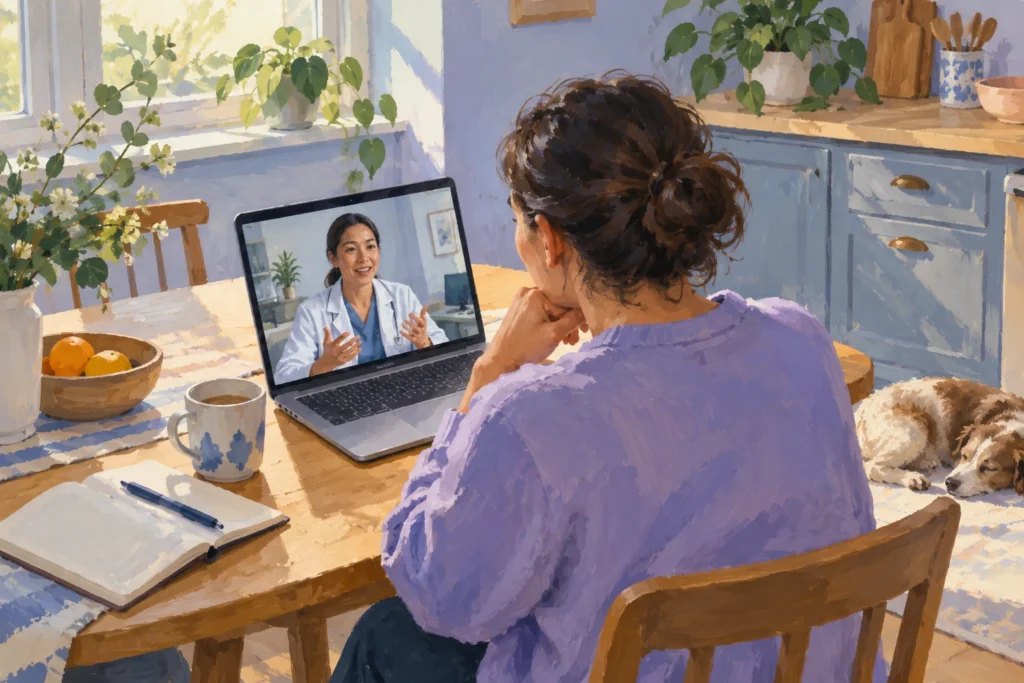
Moving an appropriate trial visit closer to home may reduce travel while creating different work for participants and care teams. Clarus Review examines this trade-off through fictional planning examples and the FDA’s September 2024 guidance on decentralized trial elements. It does not claim that moving activities home automatically improves access or evidence quality.
The article asks designers to specify which activities belong at a research site, which can occur elsewhere, what equipment and instructions people need, and who responds when something goes wrong. Device management, software, privacy and caregiver time belong in the burden assessment alongside travel. A remote option will not suit every participant.
The operating implication is to measure the entire participation pathway: awareness, eligibility, enrollment, retention and the reliability of information collected across settings. Missing data require a process for distinguishing technical problems from support needs. Participant feedback should identify both burdens removed and new ones introduced. This summary preserves the source’s design questions and does not present the fictional examples as measured trial outcomes.
Read the full Clarus Biotech Review article